River Plastic Cleanup in Guatemala | RiverImpact
Guatemala · Bay of Amatique & Motagua River

River Plastic Cleanup in Guatemala

River plastic cleanup in Guatemala focuses on protecting the Bay of Amatique and the Motagua River, two waterways heavily affected by plastic pollution.

Our impact in Guatemala

Protecting rivers that flow into the Caribbean Sea

Our work in Guatemala began in the Bay of Amatique and later expanded to the Motagua River, allowing us to address plastic pollution in both smaller tributaries and a major regional waterway.

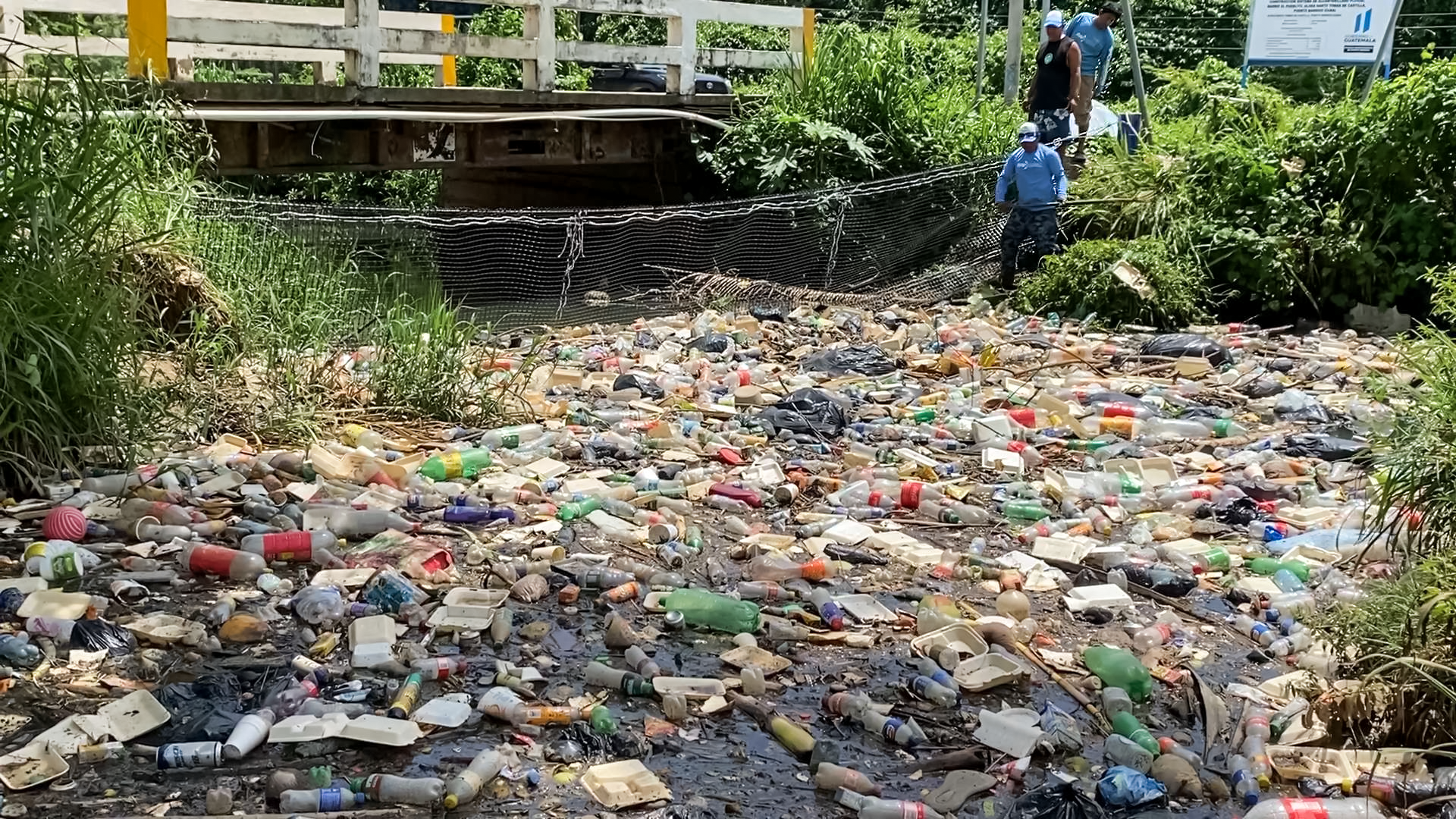
RiverImpact installs floating barriers that capture plastic and other debris before it can continue downstream. By intercepting this waste in rivers, we help reduce the amount of pollution that reaches coastal ecosystems and marine environments.

Working with local organizations and communities is an essential part of the project, helping ensure that collected material is handled properly and recycled whenever possible.

Floating barriers help intercept plastic before it reaches the sea.
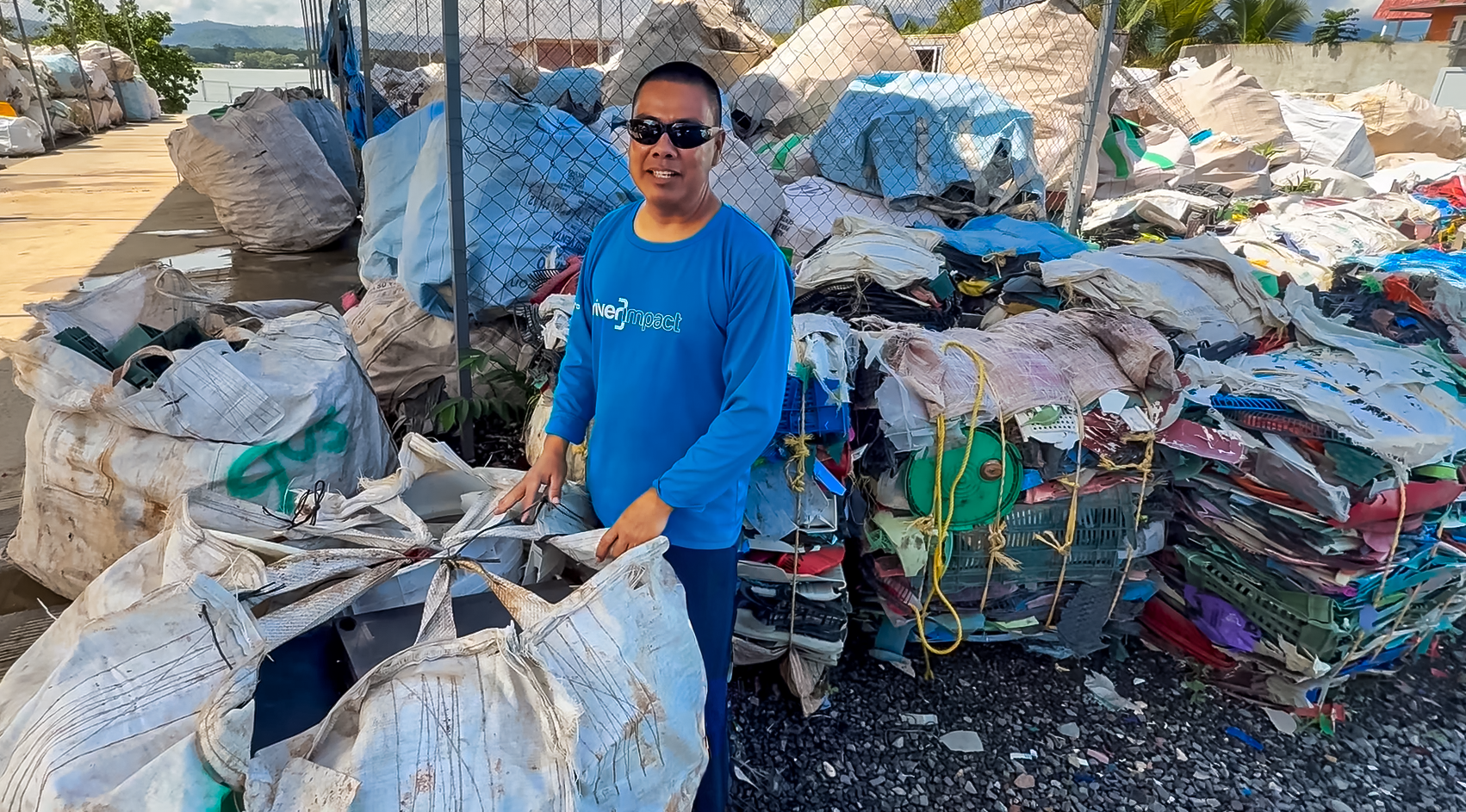
Recovered material is cleaned, sorted and prepared for recycling through local collaboration.
The project combines work in smaller rivers with action in a large, heavily polluted river system.
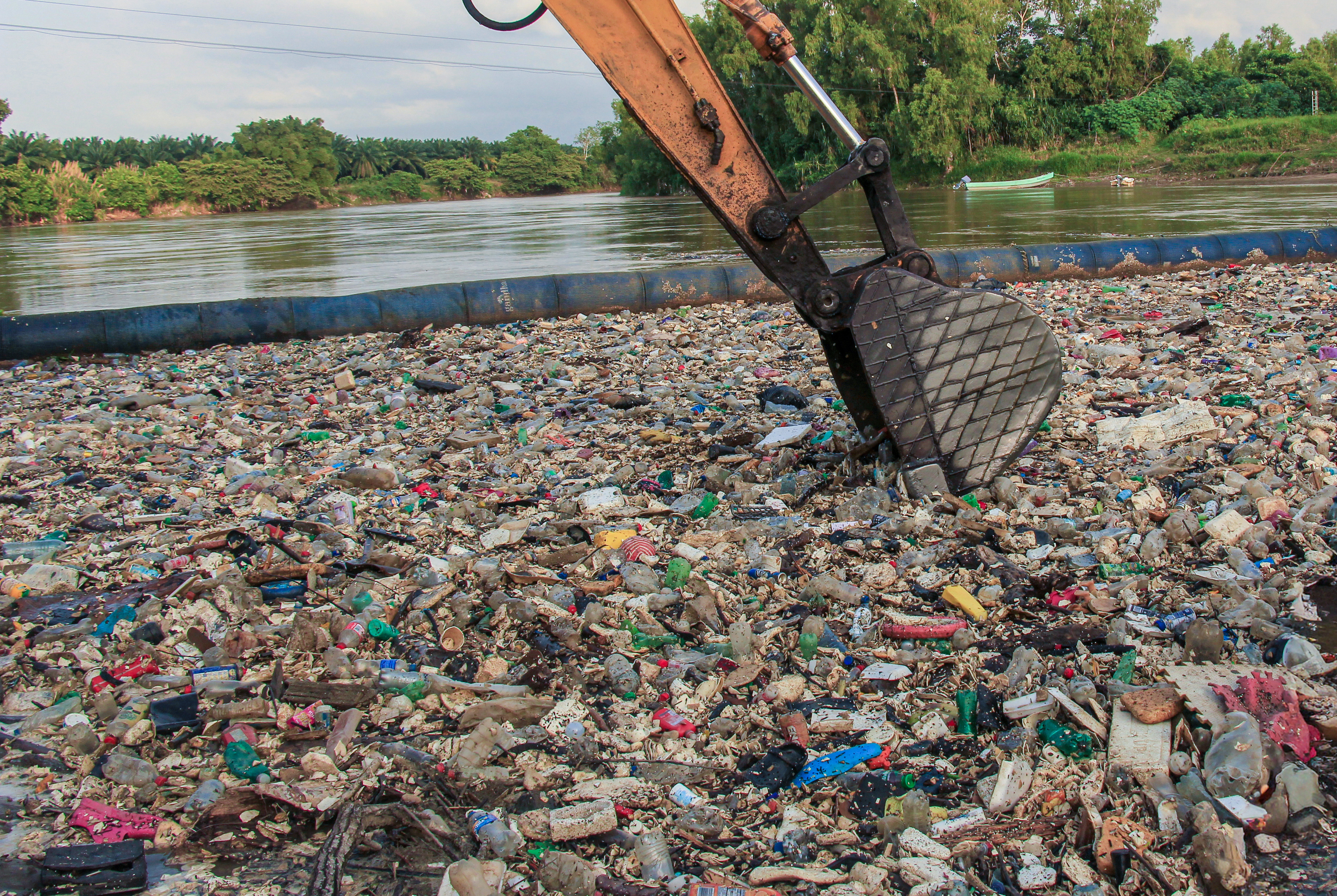
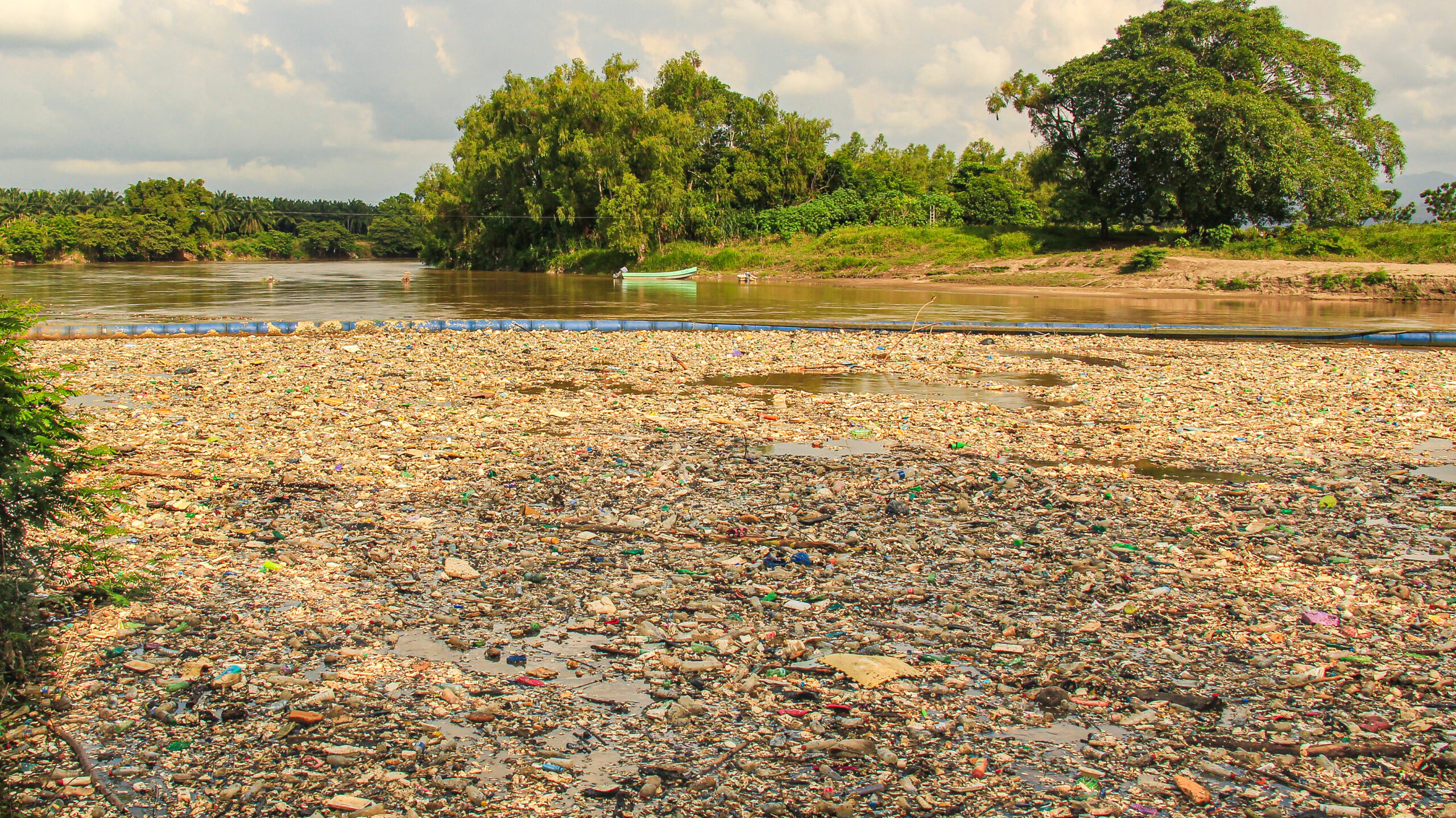
Plastic pollution in the Motagua River, Guatemala
Stopping waste upstream Capturing floating debris in rivers helps prevent plastic from reaching the Bay of Amatique and the Caribbean Sea.
Why this matters

Why Guatemala is a critical point for ocean plastic pollution

The Motagua River is one of the largest sources of plastic pollution entering the Caribbean Sea. This makes river plastic cleanup in Guatemala one of the most effective ways to stop ocean plastic before it spreads across marine ecosystems.

Major pollution source

The Motagua River carries large volumes of plastic waste from inland areas directly into the Caribbean Sea.

Direct ocean impact

Waste that enters rivers here does not stay local — it flows into marine ecosystems and affects biodiversity.

High-impact river plastic cleanup

Targeting rivers like the Motagua allows large-scale interception of plastic before it reaches the ocean.

River plastic cleanup in Guatemala in the Motagua River
RiverImpact barriers in Guatemala

One country, two key intervention areas

Our work in Guatemala is centered around the Bay of Amatique and the Motagua River. Together, these interventions help reduce the flow of plastic from inland waterways toward the sea.

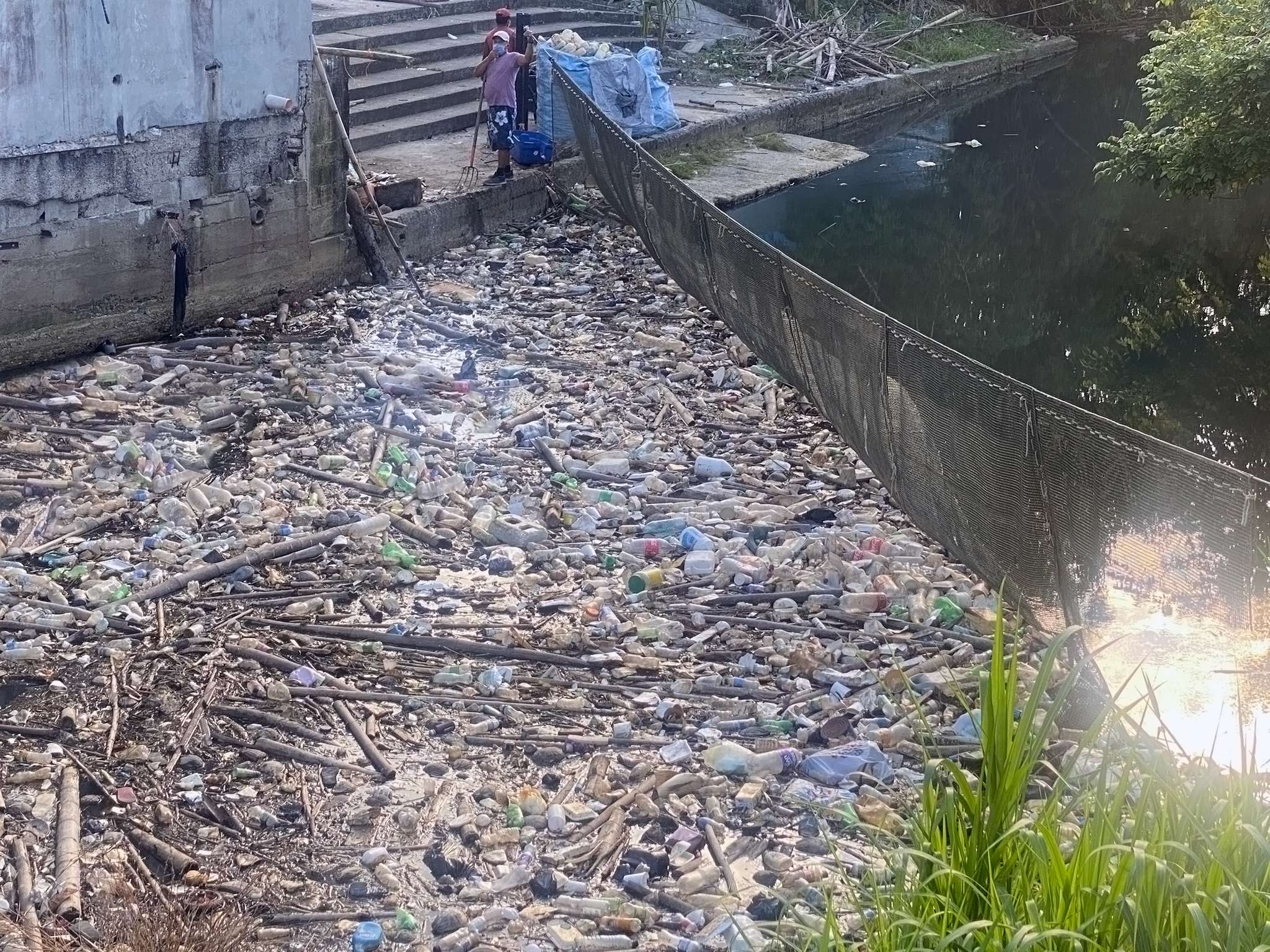
RiverImpact barrier installed in a river flowing into the Bay of Amatique
5 Impact barriers

The Bay of Amatique barriers

The Bay of Amatique was the starting point of RiverImpact's work in Guatemala and started in December 2022.

Five RiverImpact barriers have been installed in rivers that flow directly into the bay. These smaller rivers carry significant amounts of plastic waste from surrounding communities and urban areas into the bay, where it can accumulate along the shoreline and affect local ecosystems, such as the Mesoamerican Reef System.

With Fundaeco and other local Partners, we maintain and clean the barriers. All plastics are brought to our central collection center in Puerto Barrios, Located at the Bay.

Explore →
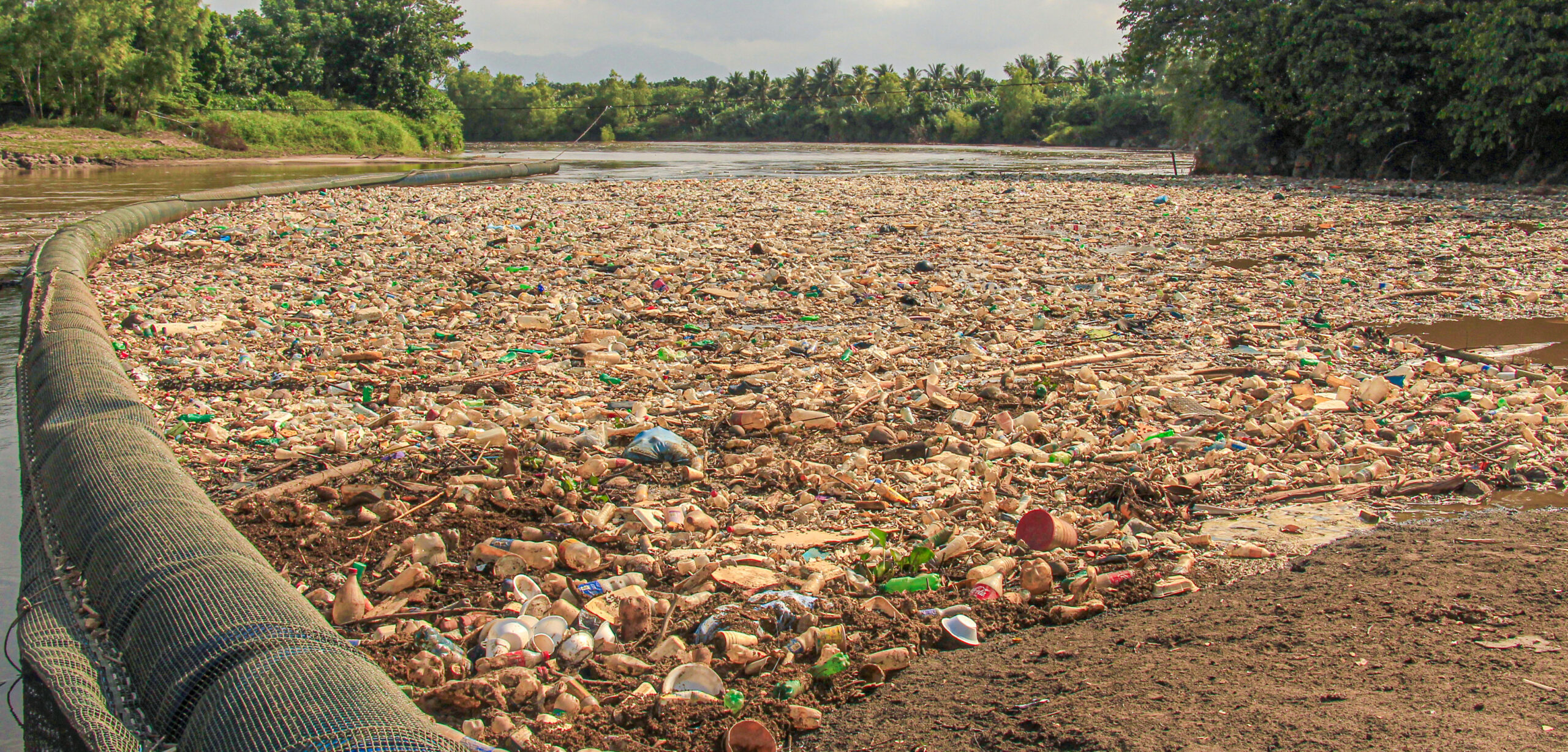
RiverImpact barrier intercepting plastic in the Motagua River
1 Impact barrier

The Motagua River barrier

In addition to the work in the Bay of Amatique, RiverImpact has installed a barrier in the Motagua River.

A barrier in the extremely polluted Motagua River, allows RiverImpact to intercept a large portion of the plastic waste floating in the river.

Our local collection teams extract the plastic waste, and our sorting team sorts the plastic. After which the plastic is transported to our main sorting center in Puerto Barrios, ready for recycling.

Explore →
Community member sorting plastic collected from the river
Local team collecting plastic from the river barrier in Izabal Bay
Community involvement and sustainability

Working with local communities

The success of RiverImpact depends on the involvement of local communities. RiverImpact creates local employment, particularly for women. Women are more accurate in sorting plastic. To create employment for women in rural areas is a big accomplishment and has great social impact.

The sorted plastic is recycled, promoting a circular economy and providing sustainable revenues to cover the operational expenses of our project.

Partnerships and a comprehensive approach

Local and technical collaboration

RiverImpact works closely with several partners to support the project in Guatemala.

Together with Fundaeco, RiverImpact has developed a plan to pick up plastic waste from remote villages around Puerto Barrios, to avoid the plastic from ending up in one of the rivers that stream into the Bay of Amatique.

In addition, Deltares contributes technical expertise related to water systems and river dynamics, supporting the development of practical river-based solutions.

In cooperation with

Partners behind the work in Guatemala

The Guatemala project is made possible through collaboration with organizations that bring local knowledge, environmental experience and technical expertise.

Fundaeco

For more than 30 years, FUNDAECO has worked on the conservation of biodiversity and the sustainable use of natural resources in Guatemala.

Through the RiverImpact project, FUNDAECO collaborates with local communities in the collection and sorting of plastic captured by the barriers installed in rivers that flow into the Bay of Amatique.

Strong local presence and long-term conservation experience in Guatemala.
Works closely with communities on collection, sorting and environmental awareness.
Plays an essential role in the implementation and continuity of the project.
Visit website →

Deltares

Deltares is an independent institute for applied research in the field of water and subsurface systems.

The organization contributes scientific knowledge and technical expertise related to rivers, water management and environmental systems, helping strengthen the development of practical solutions for projects such as RiverImpact.

Supports the understanding of river systems and water-related environmental challenges.
Contributes technical expertise relevant to river-based solutions.
Helps strengthen the long-term development of sustainable interventions.
Visit website →

© 2022 Created by RiverImpact