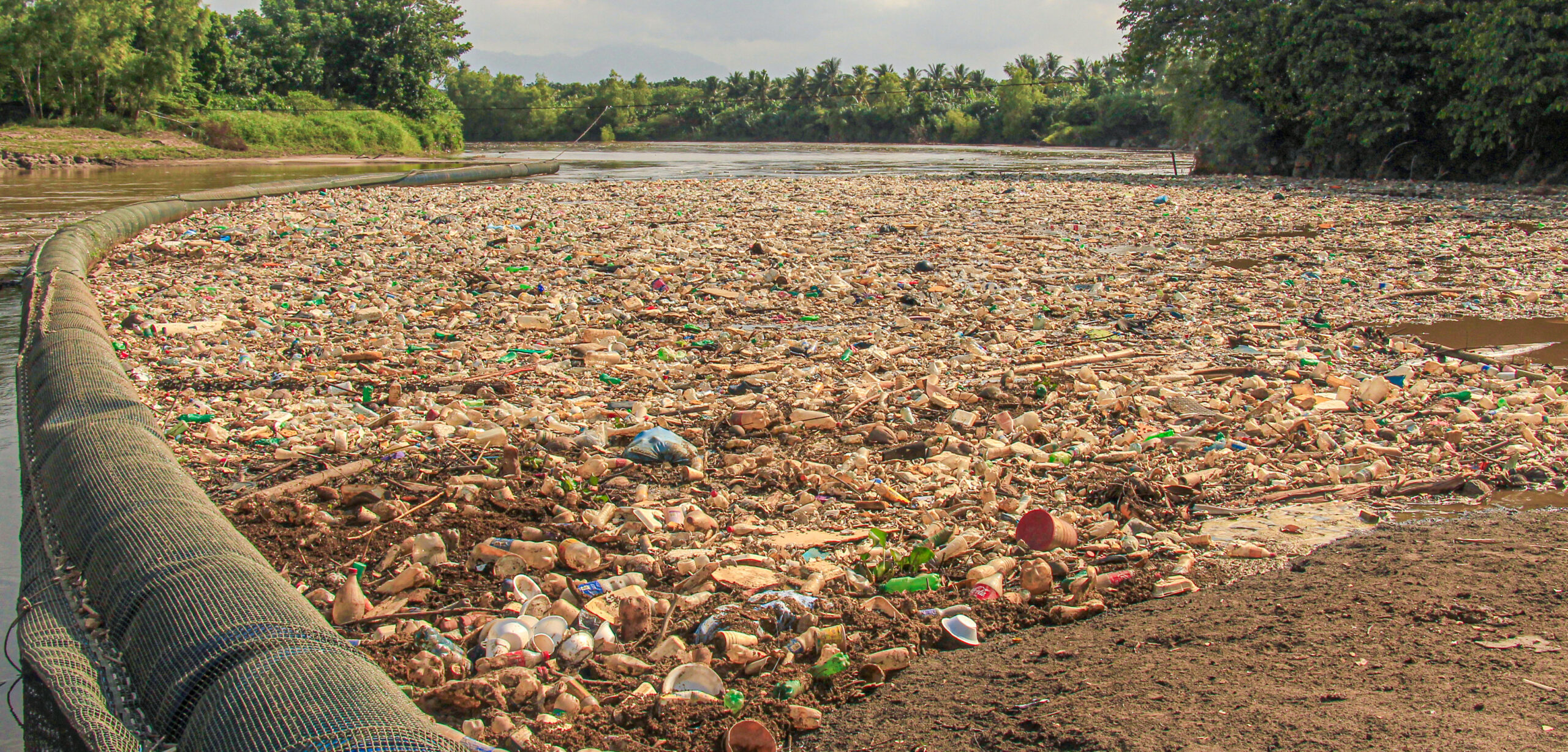
Plastic intercepted
Floating waste moving through rivers toward the bay is retained before it can disperse across coastal waters. This makes removal more controlled, more visible and more effective.
Plastic pollution in the Bay of Amatique is driven by rivers carrying waste from urban areas in Guatemala. Intercepting plastic upstream helps reduce coastal pollution while recovering materials and creating value within the circular economy.
The Bay of Amatique receives floating waste from several rivers and urban waterways around Puerto Barrios. Once plastic enters the bay, it becomes harder to contain, recover, and manage effectively.
RiverImpact focuses on interception closer to source. By retaining floating waste in rivers before it disperses across coastal waters, the project creates a more practical and controlled way to remove plastic from the environment.
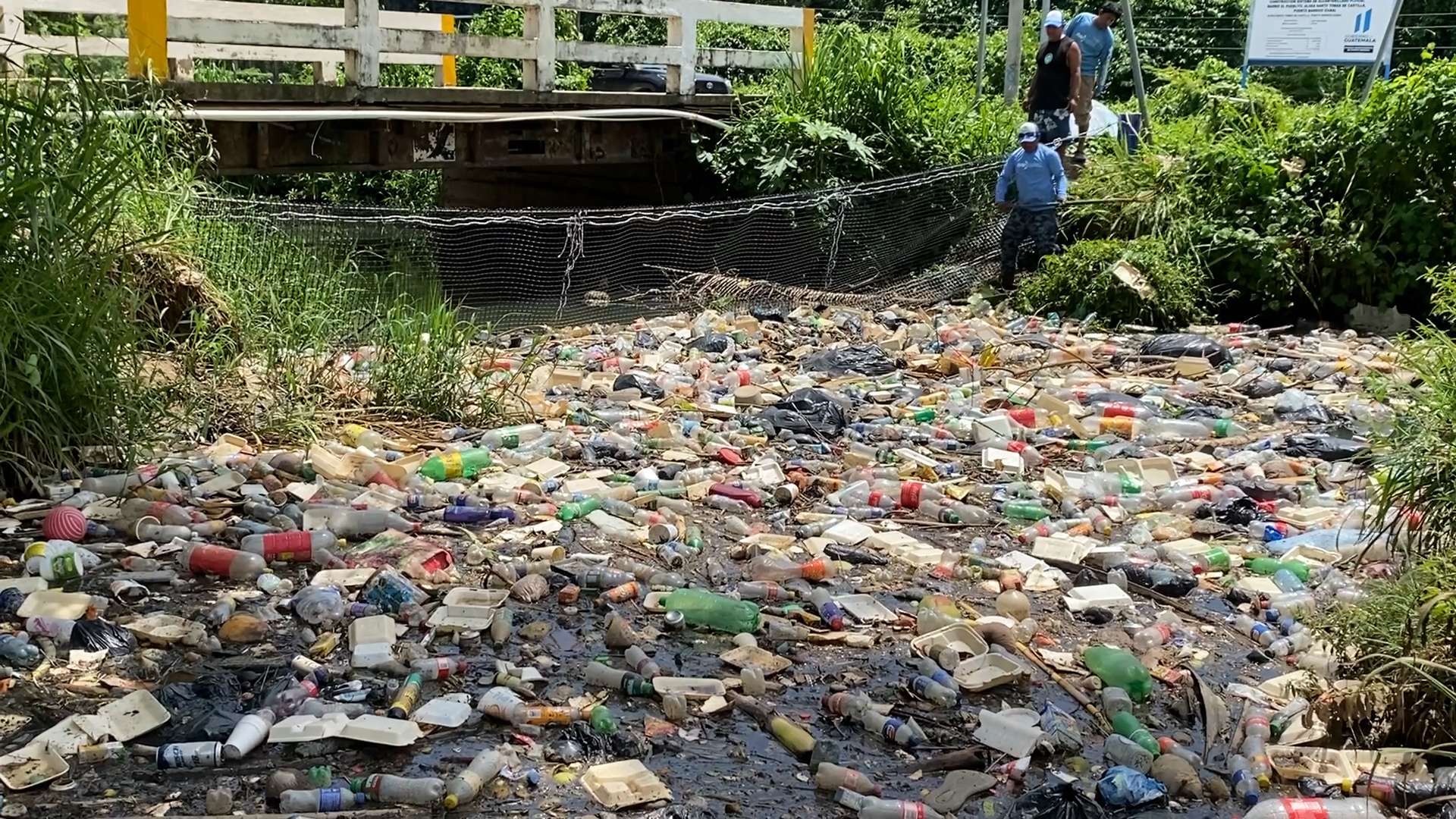
In Guatemala, these barriers are often referred to locally as geobardas. Installed across five active river sites, they support a continuous operational model in which plastic is intercepted in the water, removed by local teams, and brought into sorting operations on land.
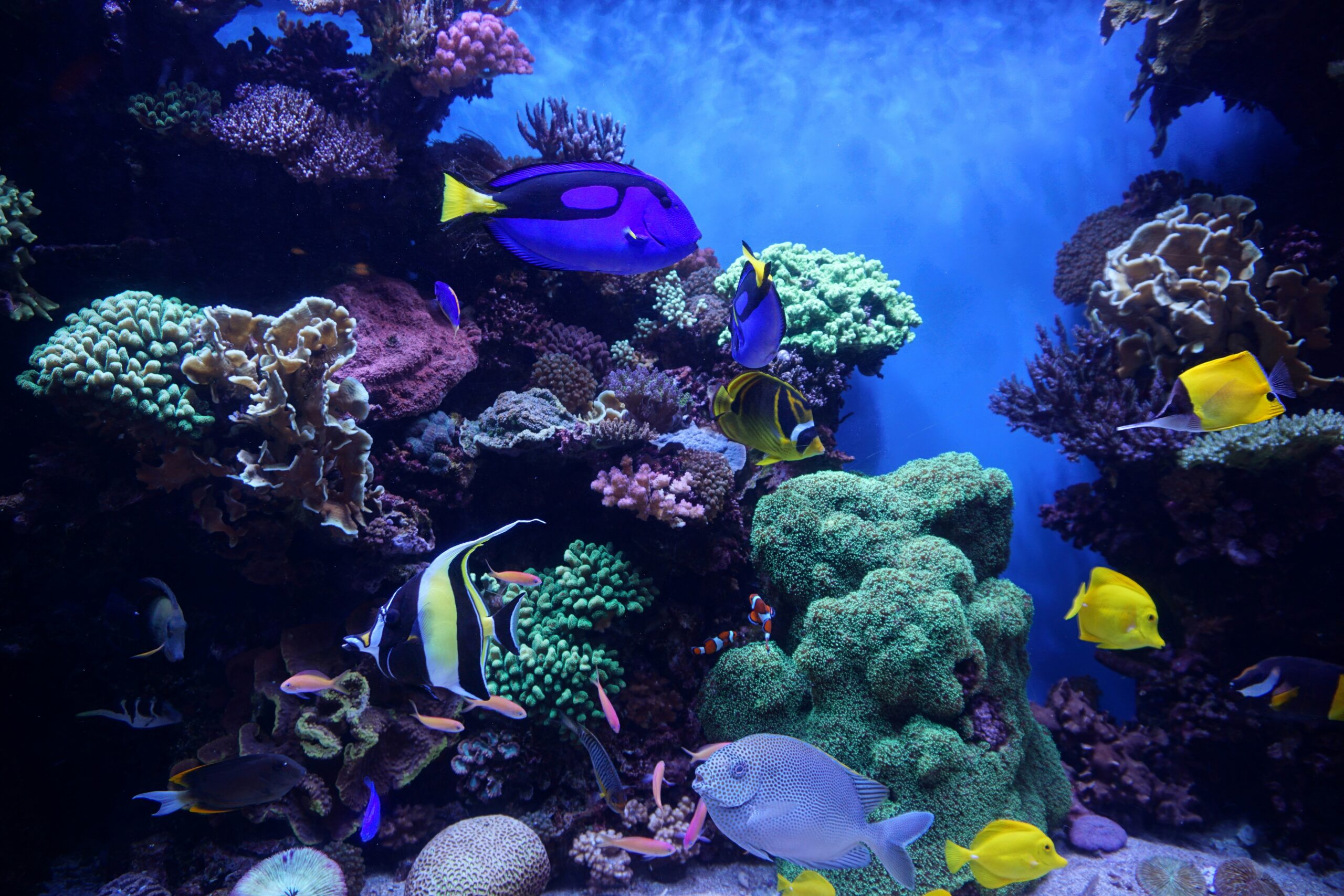
The Bay of Amatique is part of a connected environmental system where rivers, coastal areas and protected landscapes like Cerro San Gil influence one another. Plastic carried downstream does not remain contained — it moves through this entire system.
Rivers flowing from Cerro San Gil, a key protected area in eastern Guatemala, transport water and materials directly into the bay and onward into the Caribbean Sea. From there, pollution can reach the Mesoamerican Reef region, one of the most important marine ecosystems in the region.
When plastic enters this system, it can accumulate along river mouths, disperse across coastal waters, and affect forests, mangroves, marine habitats and the communities that depend on them.
That is why river interception is such an effective point of intervention. By retaining plastic before it reaches the bay, the project helps protect the entire system — from upstream protected areas to coastal and marine ecosystems.
This network shows where plastic enters the bay — and where interception can still be expanded.
Click on a river to see whether it is already protected or available for adoption.
Installing barriers is only part of the solution. Their effectiveness depends on regular collection, maintenance, transport and local coordination.
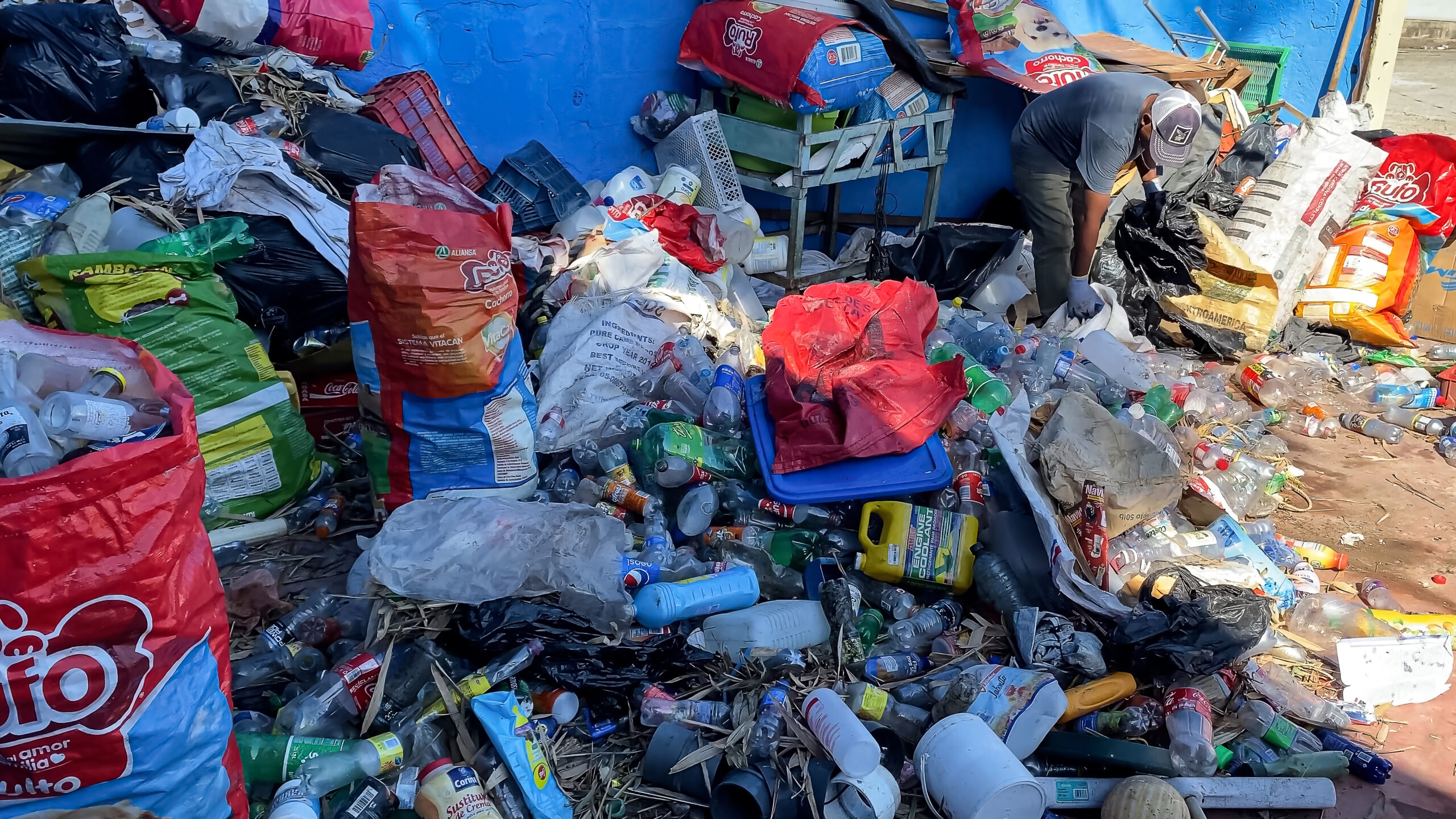
Field teams return to the river sites to remove retained plastic and keep the barriers functioning under real environmental conditions. The material is then brought to our handling and sorting center in Puerto Barrios.
This operational chain is what makes the project credible. It connects river interception with practical work on the ground, rather than leaving the intervention as static infrastructure in the water.
Plastic pollution in the Bay of Amatique reflects a wider global challenge. According to the United Nations Environment Programme, reducing plastic leakage into oceans is critical to protecting marine ecosystems. By intercepting waste directly in rivers, the project reduces pressure on coastal environments while supporting material recovery and contributing to broader circular economy solutions.
Floating waste moving through rivers toward the bay is retained before it can disperse across coastal waters. This makes removal more controlled, more visible and more effective.
Regular removal reduces the continuous downstream transport of floating debris and helps prevent visible accumulation in river environments connected to the bay.
When plastic is intercepted upstream, less material reaches the Bay of Amatique and the wider Caribbean Sea. River-level action helps reduce pressure on shorelines and nearby coastal ecosystems, like the Meso American Reef.
Part of the recovered material can be separated and routed toward recycling pathways. This strengthens the connection between environmental protection, material recovery and local circular value creation.
These images help communicate the operational reality of the project: the pollution challenge, the interception infrastructure, and the recovered materials that enter sorting and handling processes on land.
High plastic loads moving through waterways toward the coastal system.
Impact Barriers operating in real river conditions.
Captured waste removed from the river and prepared for sorting and downstream handling.
The Bay of Amatique project was an important early step in RiverImpact's work in Guatemala. It helped demonstrate that river interception could function not only as a technical intervention, but as an operating model built around barriers, fieldwork, transport and sorting.
That experience later supported broader work in more demanding river contexts, including the Motagua River. In that sense, the Bay of Amatique became more than a local intervention: it helped shape a wider approach to reducing plastic leakage before it reaches the Caribbean Sea.