Major plastic leakage point
The Motagua River transports large volumes of floating plastic toward the Gulf of Honduras and the Caribbean Sea, making it one of the most important rivers in the region for upstream plastic interception.
Motagua River plastic pollution cleanup is one of the most urgent environmental challenges in Guatemala. RiverImpact addresses this issue through large-scale river interception systems that capture plastic waste before it reaches the Caribbean Sea while supporting circular economy solutions.
The Motagua River carries plastic pollution from inland Guatemala toward the Gulf of Honduras and the Caribbean Sea, making it a priority river for plastic interception and cleanup.
This river has become internationally visible because of the scale of plastic pollution transported downstream, especially during periods of intense rainfall. When flash floods occur, floating waste can move rapidly through the river into the ocean, harming coastal environments and ecosystems.
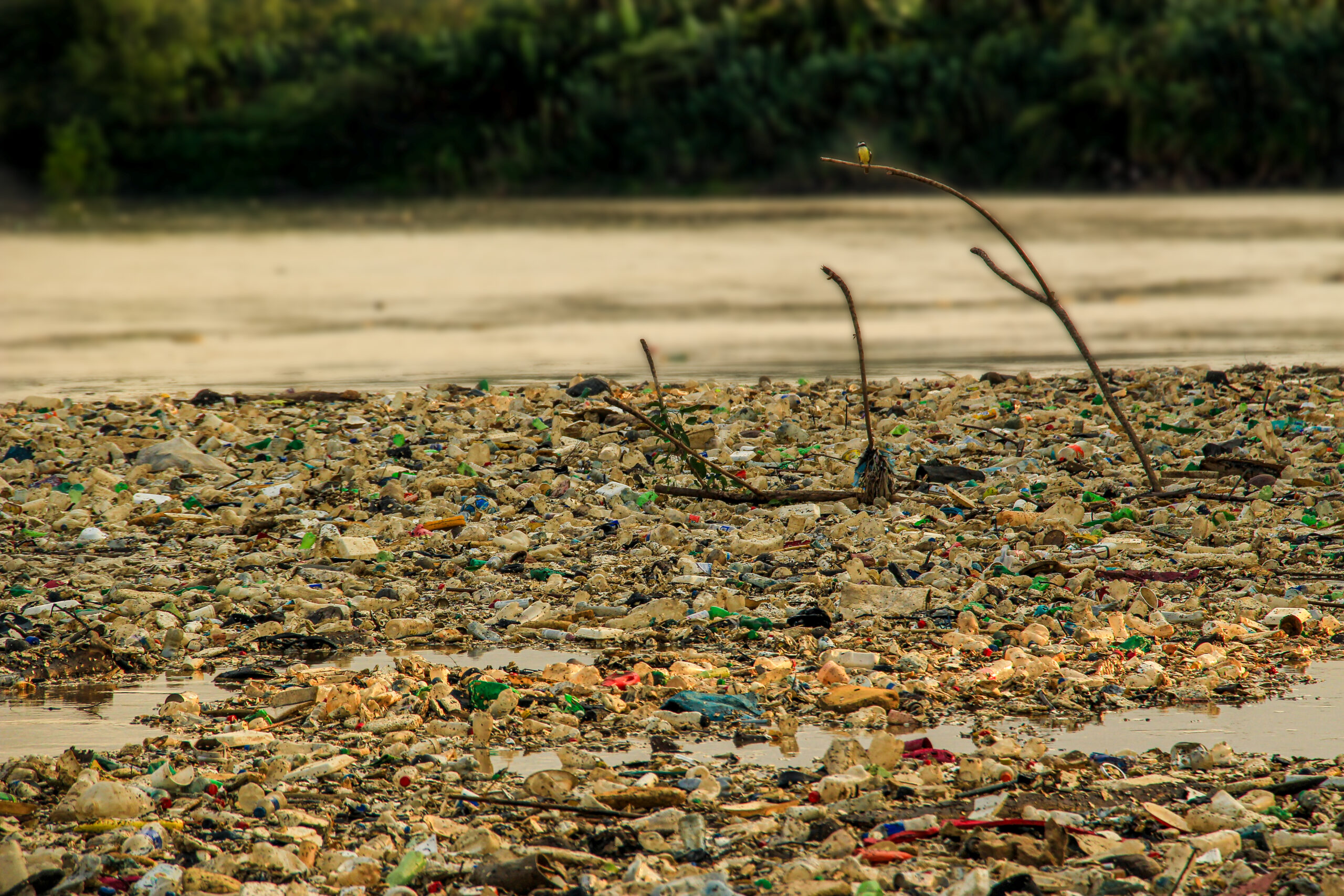
The Motagua River is not just a local environmental issue. It is a strategic intervention point where plastic pollution can be stopped before it reaches sensitive marine and coastal ecosystems.
The Motagua River transports large volumes of floating plastic toward the Gulf of Honduras and the Caribbean Sea, making it one of the most important rivers in the region for upstream plastic interception.
During Guatemala's rainy season, flash floods can rapidly increase river flow, carrying large amounts of floating waste downstream in a short period of time.

Plastic transported by the Motagua River directly affects coastal ecosystems and marine biodiversity in the Caribbean Sea.
This approach enables continuous plastic pollution cleanup in the Motagua River through interception, recovery and circular processing.
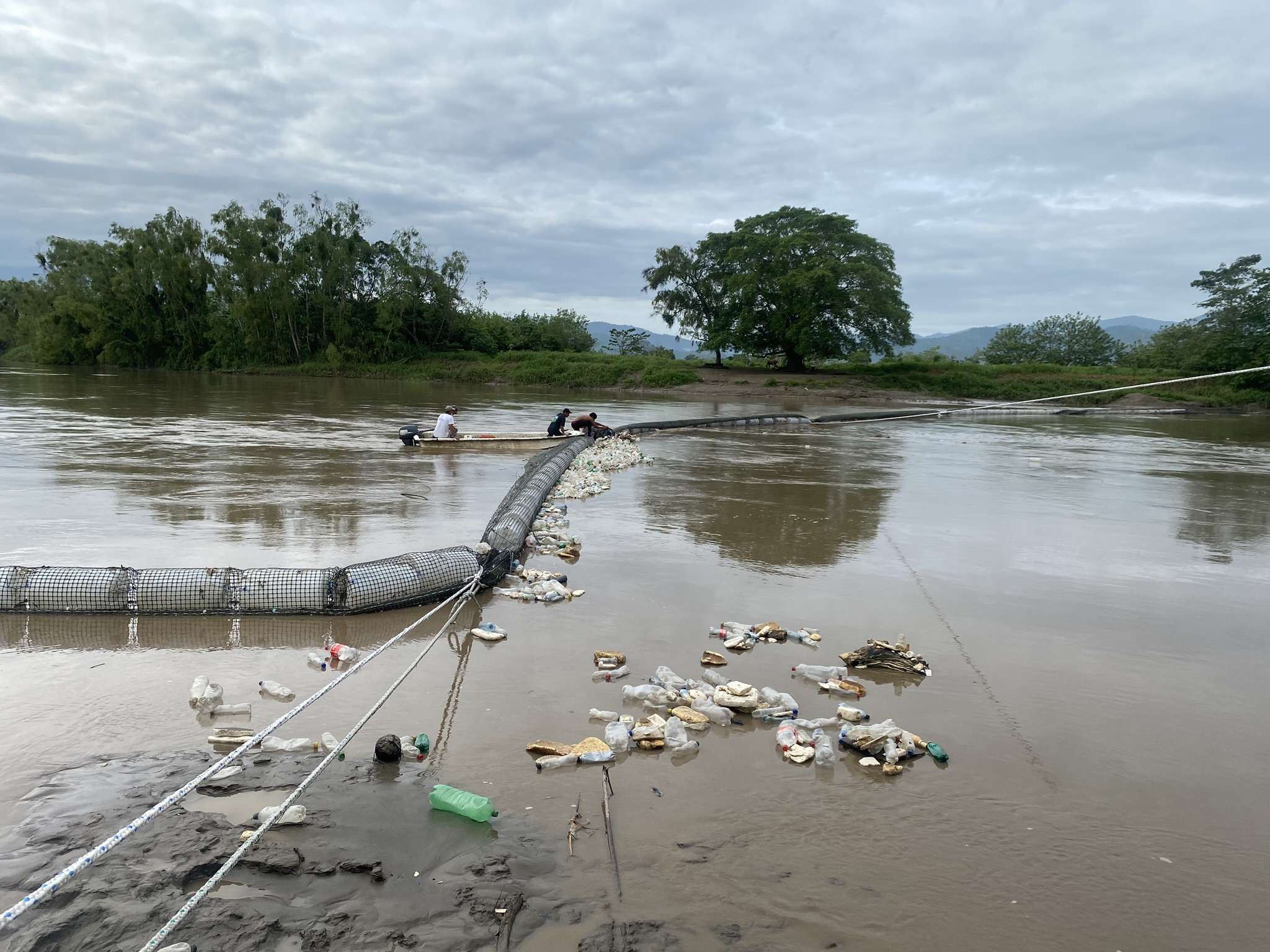
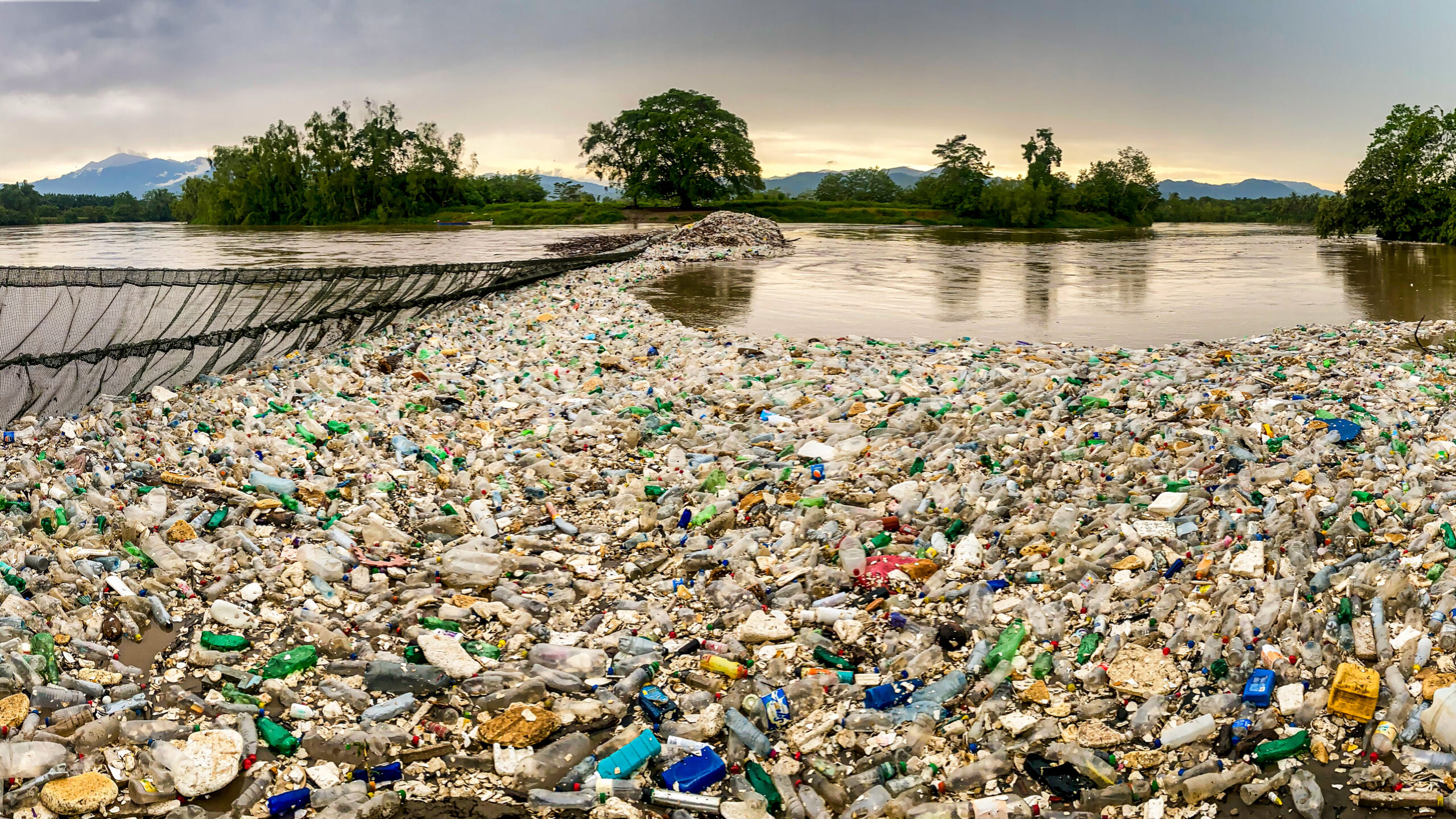

Plastic waste intercepted during early operations
Early field operations demonstrate that large-scale river plastic interception in Guatemala can remove substantial volumes of floating waste before it reaches coastal ecosystems.
A 150-meter interception barrier installed to operate under the scale and flow conditions of the Motagua River.
The barrier intercepted approximately 500 cubic meters of floating plastic waste shortly after deployment.
This volume corresponds to roughly fifty truckloads of plastic waste removed from the river system.
This field video shows RiverImpact's plastic interception barrier operating in the Motagua River in Guatemala, capturing floating plastic waste before it can continue downstream toward the Caribbean Sea.
The Motagua River project combines river interception with engineering design, scientific research and real-time monitoring. These collaborations help improve the performance and safety of river-based plastic interception systems.
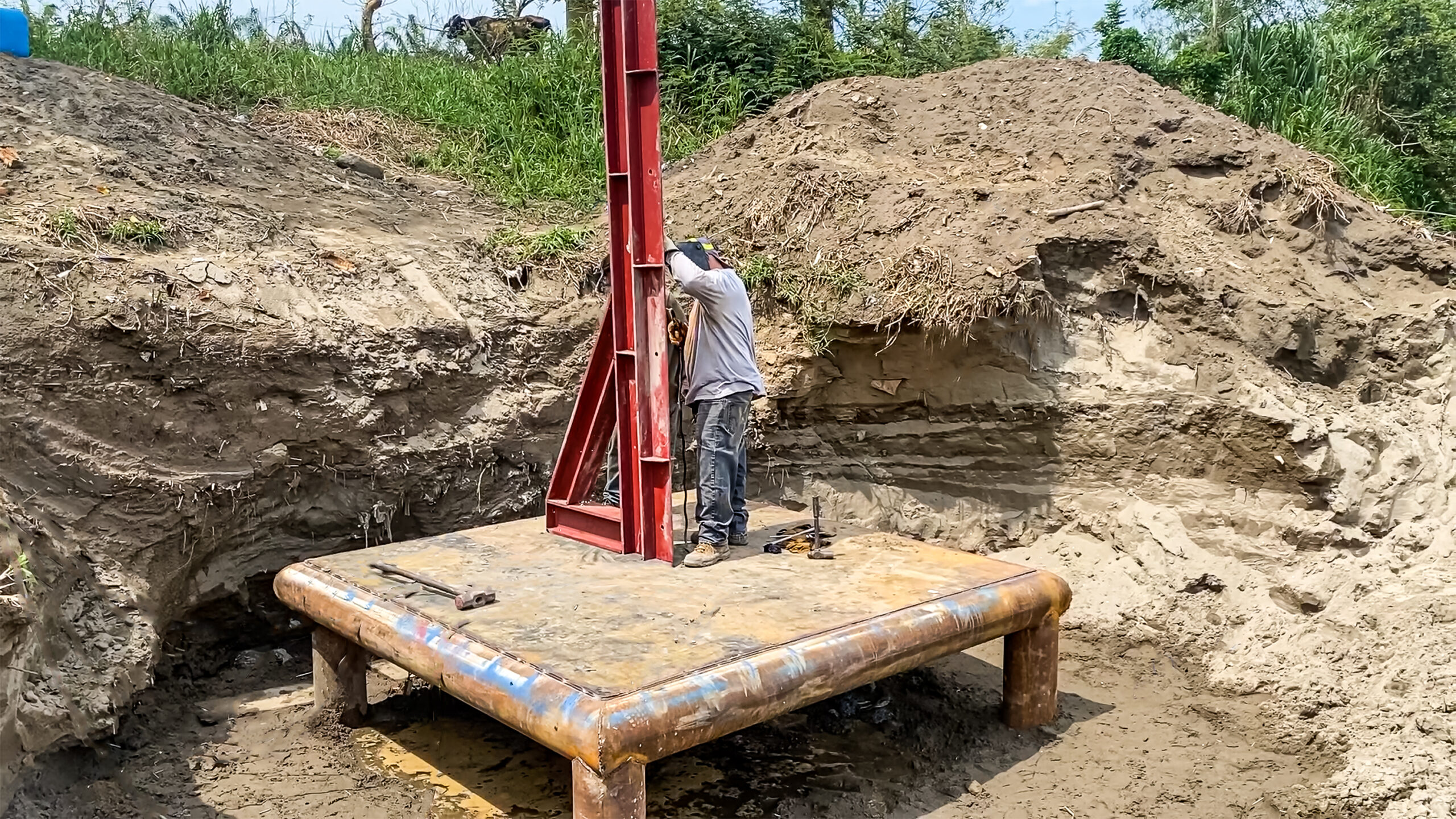
The interception barrier installed in the Motagua River was developed in collaboration with the Dutch research institute Deltares, internationally recognised for its expertise in water systems and river engineering.
Together, RiverImpact and Deltares designed a barrier capable of operating under the challenging hydraulic conditions of the Motagua River, where seasonal rainfall and flash floods can rapidly increase water levels and current speed.
The system includes anchored floating elements and reinforced connection points designed to withstand strong flows while continuing to redirect floating plastic toward a controlled collection area.
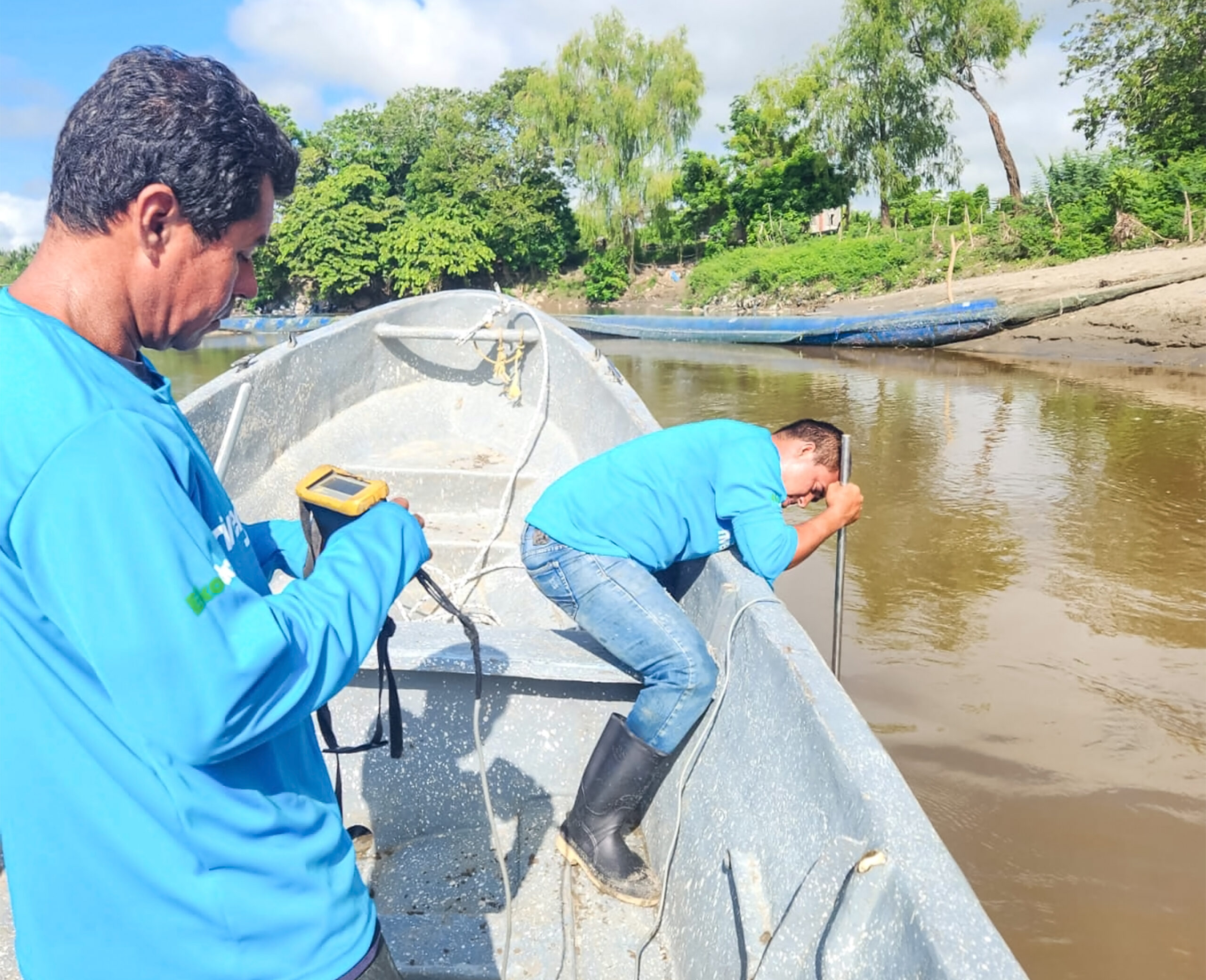
With support from a subsidy provided by the Government of the Netherlands, RiverImpact is conducting a joint research program with Deltares and the Instituto de Cambio Climático (ICC) to better understand how plastic behaves in the Motagua River during extreme flow events.
As part of this study, ICC installed a dedicated monitoring tower equipped with multiple instruments that measure river conditions such as water levels, flow behaviour and environmental parameters.
At the same time, RiverImpact records the quantity, weight and composition of the plastic removed from the river every day. This operational data is combined with the scientific measurements to analyse how plastic moves during normal conditions and during flash floods.
The research helps improve understanding of river dynamics and the effectiveness of plastic interception systems during extreme flow conditions.
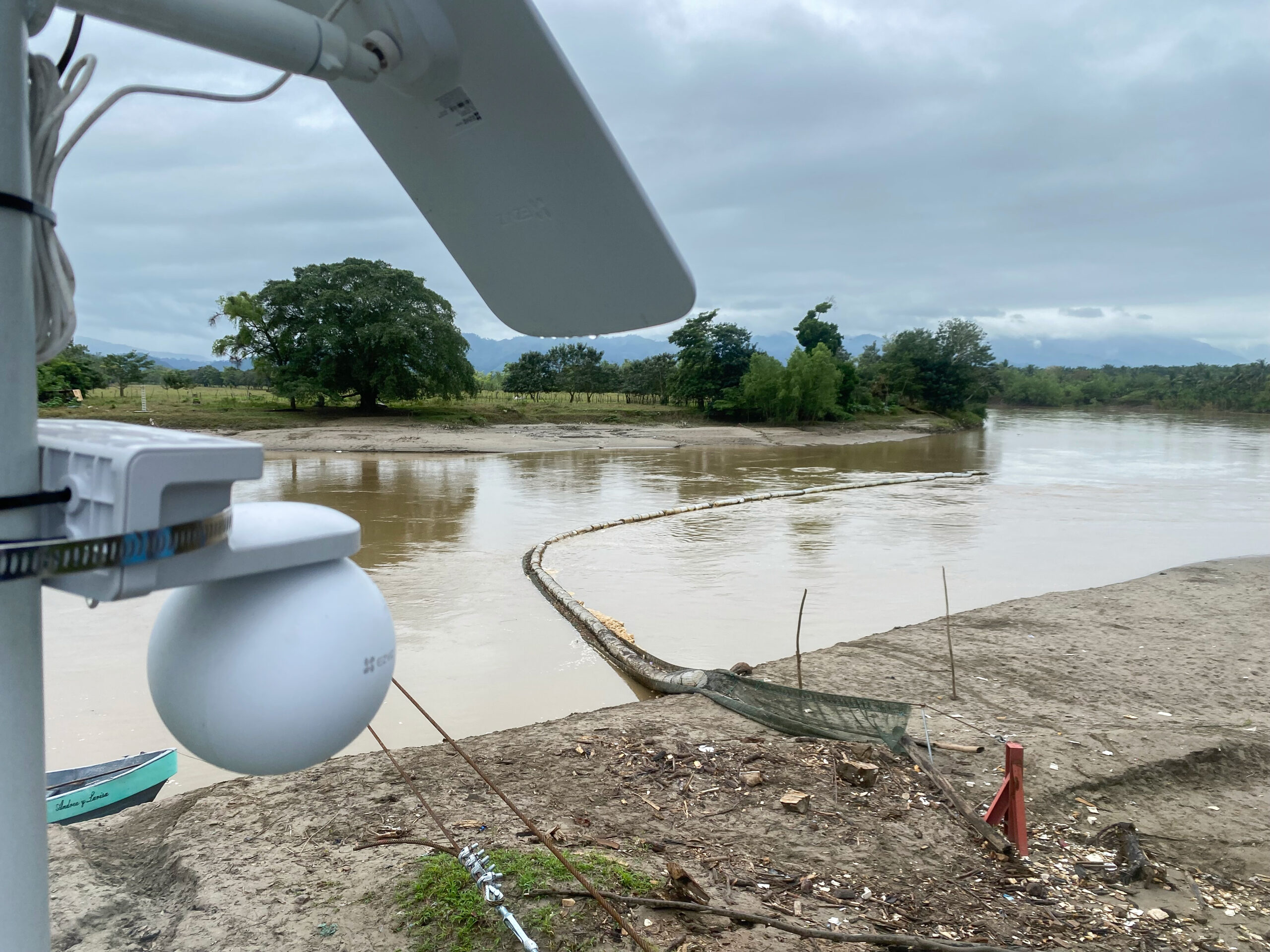
RiverImpact also collaborates with INSIVUMEH, Guatemala's national meteorological and hydrological institute, which operates the country's official early warning system for extreme weather and river conditions.
Through this system, RiverImpact receives alerts when heavy rainfall in the upstream regions of Zacapa and Morales is expected to cause rapid increases in river levels.
These alerts typically arrive several hours before the water reaches the project site, providing critical time to prepare the barrier system and ensure safe operations.
The early warning system also allows RiverImpact to inform nearby communities when the river is expected to rise quickly, helping local residents stay aware of potential flood risks.
By combining engineering, scientific monitoring and early warning data, the Motagua River project continues to improve the safety and effectiveness of large-scale plastic interception in dynamic river environments.
The Motagua River cleanup project is made possible through collaboration between international research institutions, local environmental organisations and scientific partners working together to reduce plastic pollution in Guatemala's river systems.

FUNDAECO is a long-standing environmental organisation in Guatemala that supports conservation initiatives and environmental protection across the country.
Deltares is a Dutch research institute specialising in water systems, river dynamics and hydraulic engineering.
ICC is a Guatemalan research organisation focused on climate and water systems. In the Motagua River project, ICC contributes scientific monitoring and data collection to better understand river behaviour and plastic transport dynamics.